Pinnacol Assurance’s in-house tools support the day in, day out demands of insurance industry experts. But with reliance on decades-old legacy applications, employees spent as much of their time finding workarounds to these tools’ limitations as they did completing tasks.
These internal users navigate the excruciatingly complex, data-filled, highly regulated demands of workers compensation insurance to serve one mission: meeting the needs of an injured worker. Delivering on that promise involves a journey winding from policy sales and acquisition to the ultimate endpoint: getting claims paid and people back to work.
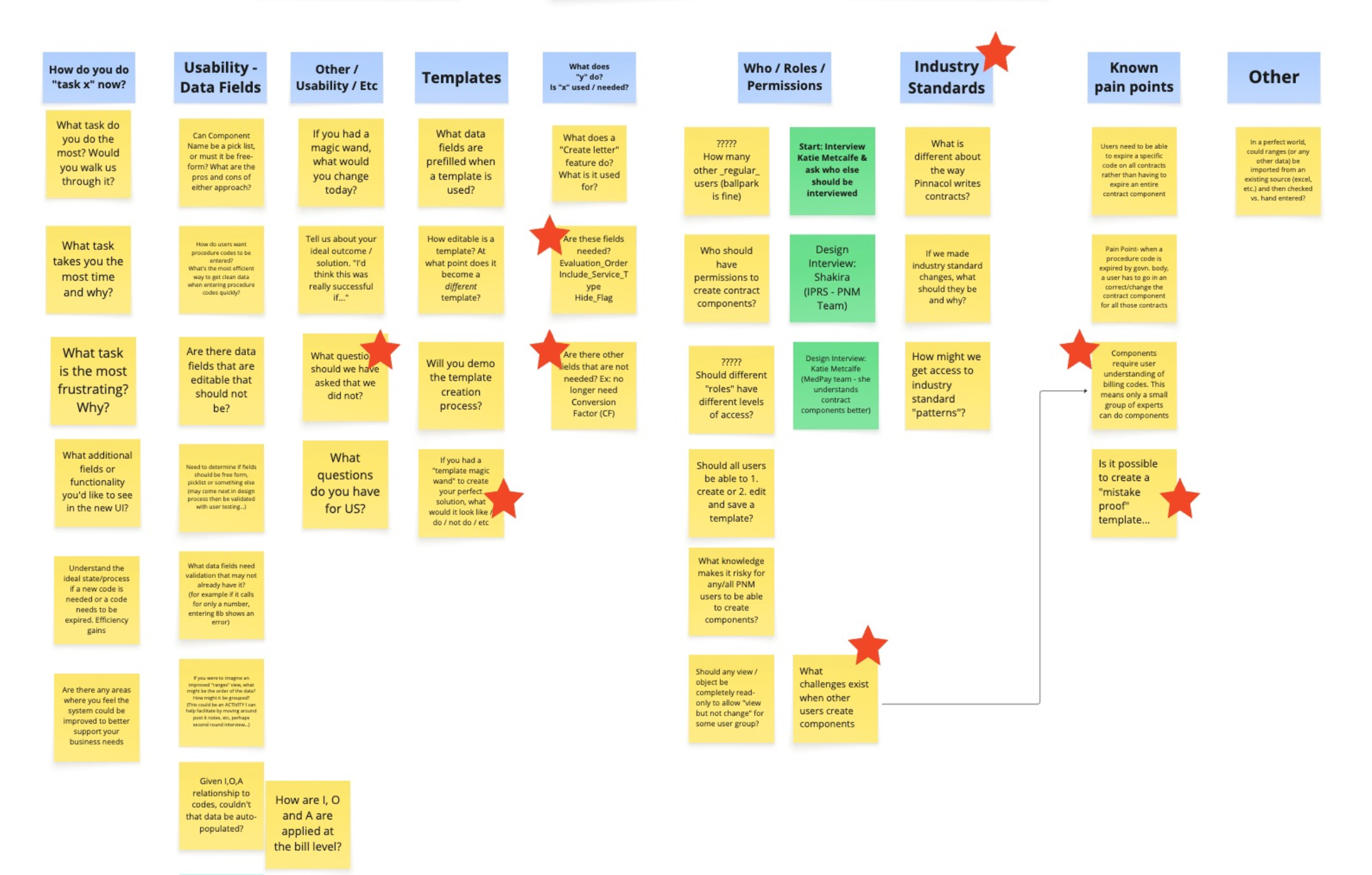
Thorough user research planning to identify employee roles, tasks, and pain points.
The competition, in this case, is a status quo of inefficiency, friction, errors, and frustration. Effecting change is not about a facelift. This is no “lift and shift.” It is about digging deep into processes that evolved around the hardened limitations of outdated applications and excavating how migration can provide a tool that serves core jobs to be done and supports rather than hinders the mission of the organization.
Migrating workflows to Salesforce required thorough discovery, deep understanding of employee roles and their connection points, and users’ inherently complex tasks. Delivering successful transition necessitated the deep empathy to support users negotiating the discomfort and challenges that come with moving away from the known to a new platform, a transition made while their work never stops.
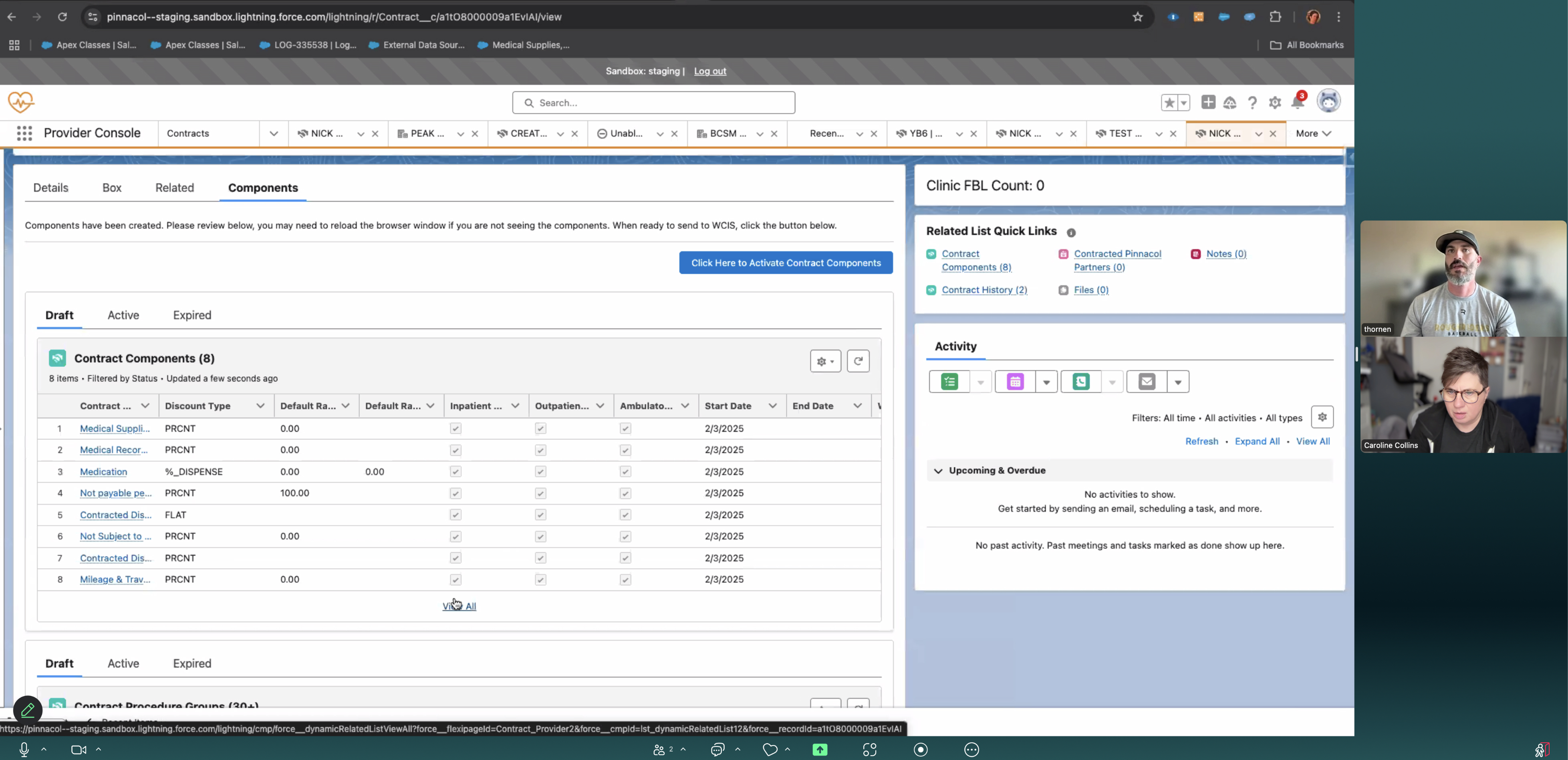
Paired development sessions to accelerate migration to Salesforce LWCs.
To achieve these goals I:
- Shadowed a subject matter expert as she set up new discount sets and edited existing sets, documenting the existing workflow
- Conducted user interviews to better understand pain points the “why” behind the existing processes making use of AI tools to create a stakeholder-ready summary highlighting the current process’s time costs, error risks, and related employee frustrations
- Collaborated with Salesforce admins and product team to understand the existing data model and any hard constraints
- Delivered a proposed streamlined task flow and rapid prototype to review with the tripod, bringing the workflow into the Salesforce ecosystem and leveraging existing design patterns
- Worked in a “paired programming” style with a Salesforce developer to implement and refine Lightning Web Components to deliver a fully-functional MVP
- Shadowed users as they transitioned to the migrated workflow, translating their feedback into rapid iteration
- Deployed 30 and 60 day followup surveys to track user success and sentiment, time savings, and improvements in error rates
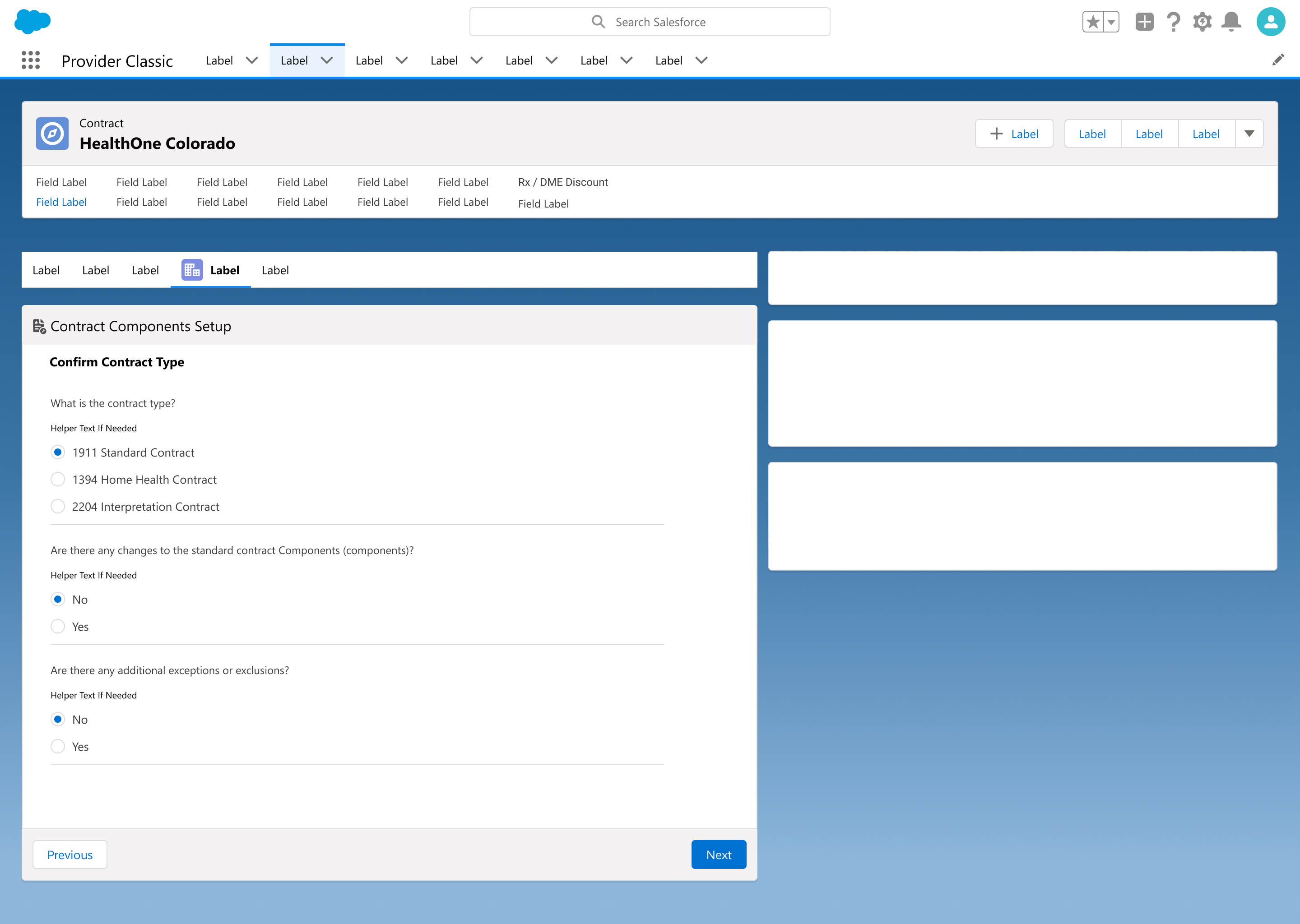
Prototyping: Bringing complex workflows into standard LWC patterns.
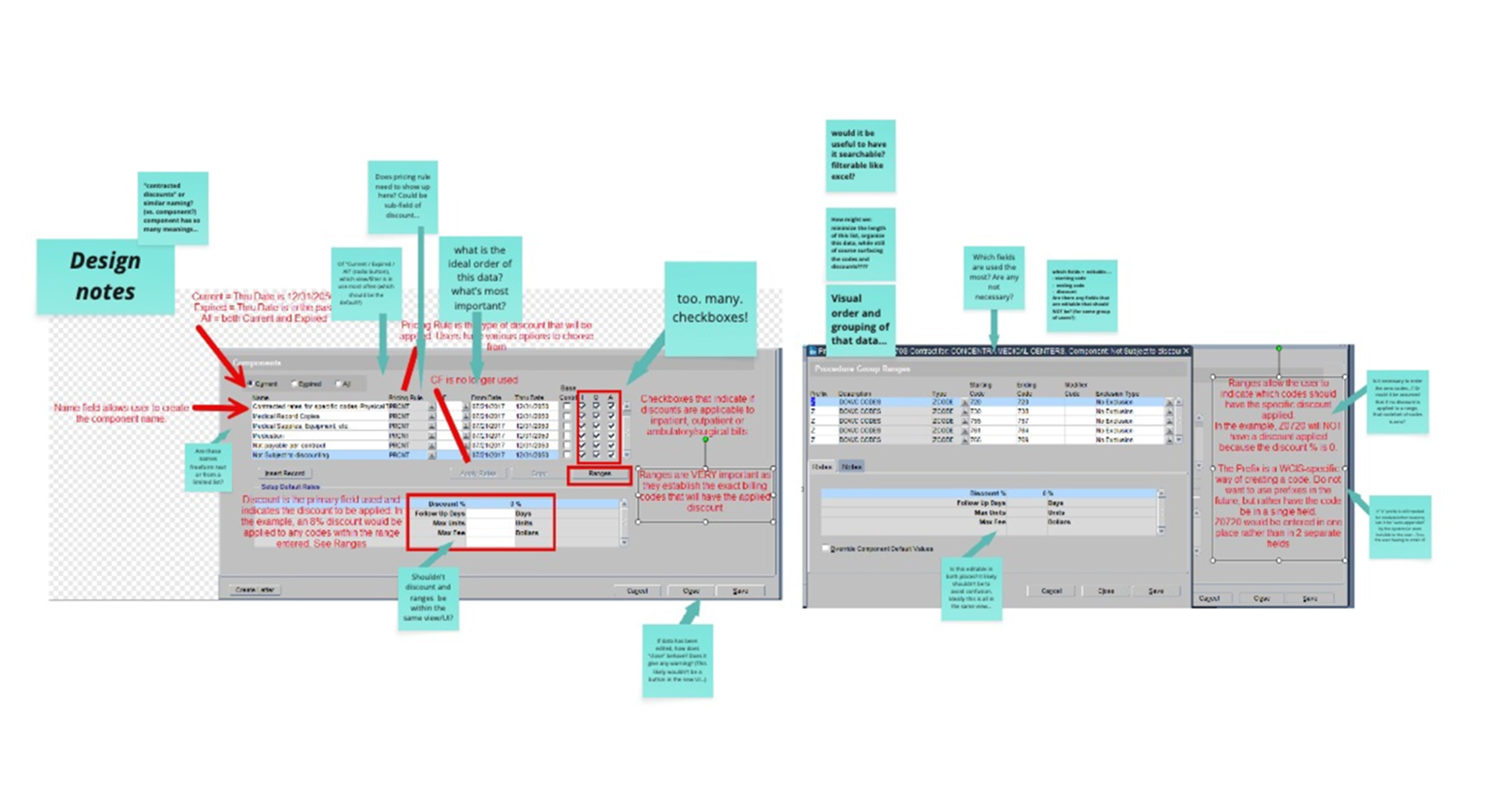
Auditing the hardened limitations of the legacy system.
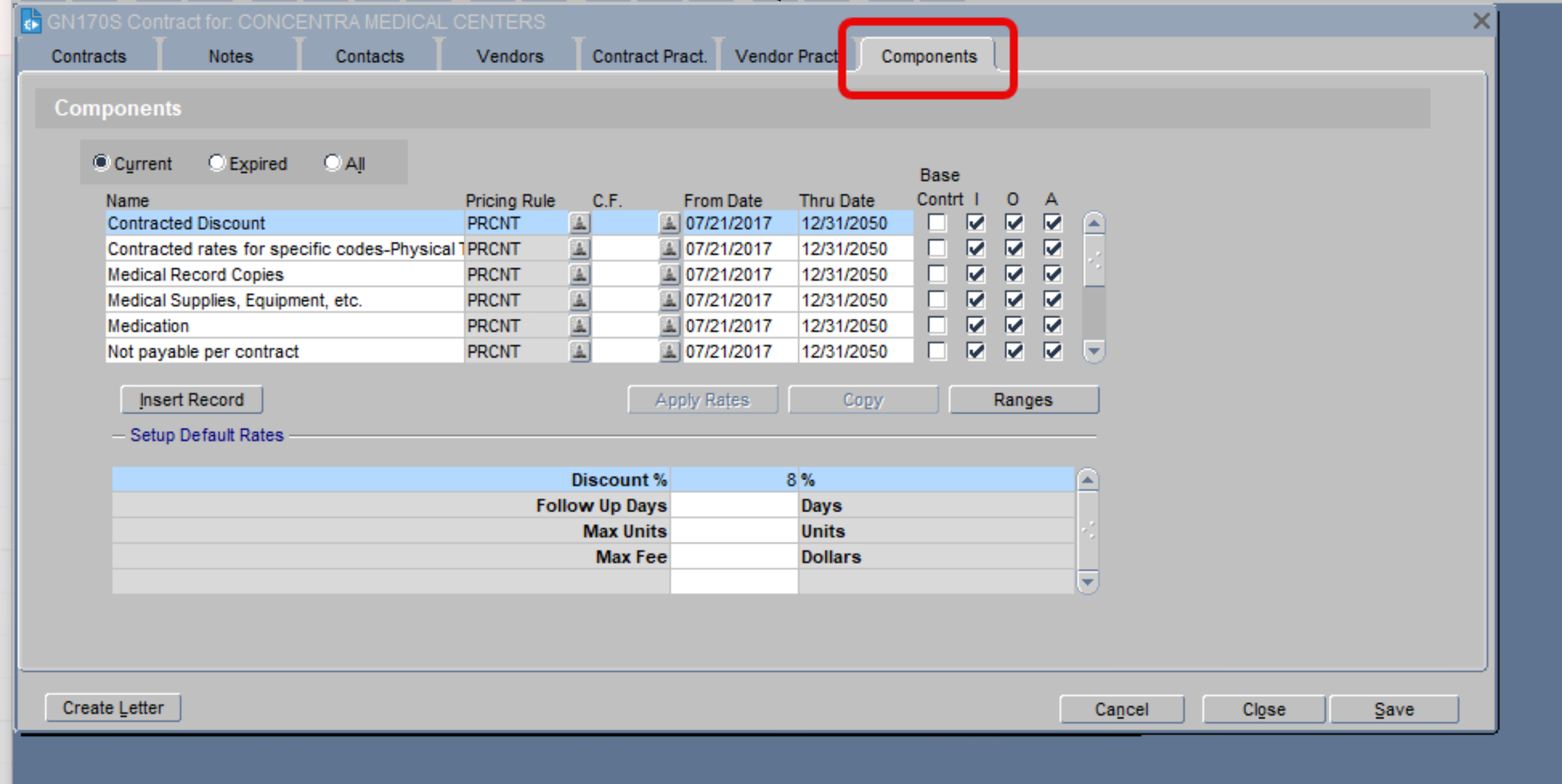
Observation of how employees navigate data hierarchy constraints.
Success was not simply defined by migration from a legacy application to a unified Salesforce environment. It was about doing so through a process that respected that “the show must go on”, that the work does not pause. Thorough discovery, deep listening, understanding unique roles, rolling prototype testing, and iterating fast after initial delivery meant the difference between retaining or losing policies, delivering or delaying timely care and services to injured workers at some of the most vulnerable times in their lives.